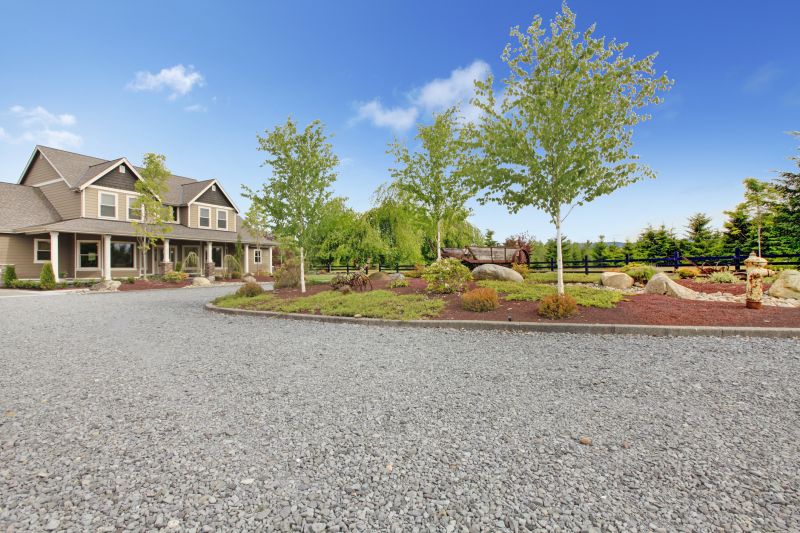
Gravel Parking Lot Grading in Houston, TX
Gravel parking lot grading services involve shaping and leveling the surface to ensure proper drainage, stability, and functionality for parking areas. This process typically includes removing excess material, smoothing uneven spots, and creating a slight slope to direct water away from the lot. Projects can range from small residential driveways to larger commercial parking areas, helping property owners maintain a safe and durable surface that minimizes erosion and pooling issues.
Before requesting gravel parking lot grading, property owners often want to understand the current condition of the lot, including existing drainage patterns and the extent of unevenness or erosion. It’s also helpful to consider the intended use of the space, the volume of traffic it will support, and any future plans for expansion or paving. Clear communication about these details can ensure the grading work effectively meets the property’s needs and enhances the lot’s longevity.
Many property owners in Houston, TX look into Gravel Parking Lot Grading for repairs, replacements, upgrades, and appearance-related improvements.
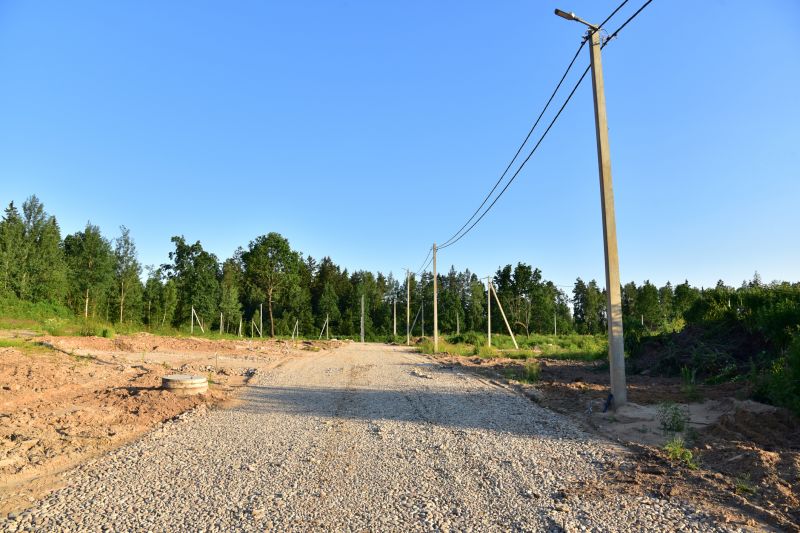
Proper Drainage Solutions
Gravel parking lot grading ensures effective water runoff to prevent pooling and erosion.
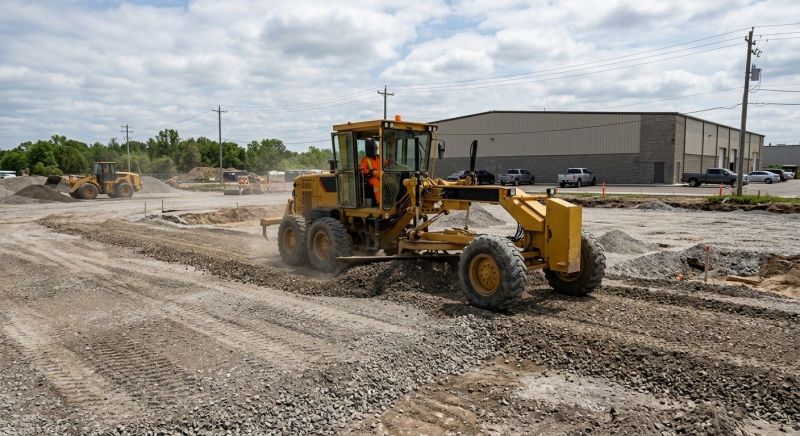
Enhanced Parking Stability
Proper grading creates a smooth, level surface that reduces vehicle and foot traffic damage.
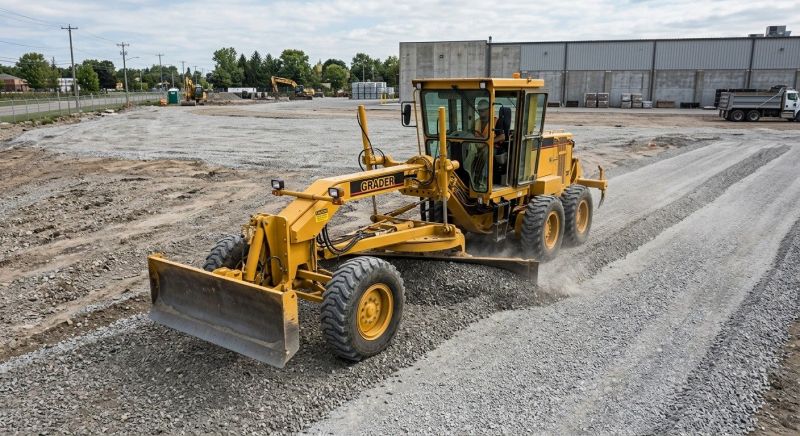
Property Value Improvement
A well-graded gravel lot can improve the appearance and functionality of commercial and residential properties in houston, tx.
Gravel Parking Lot Grading in Houston, TX
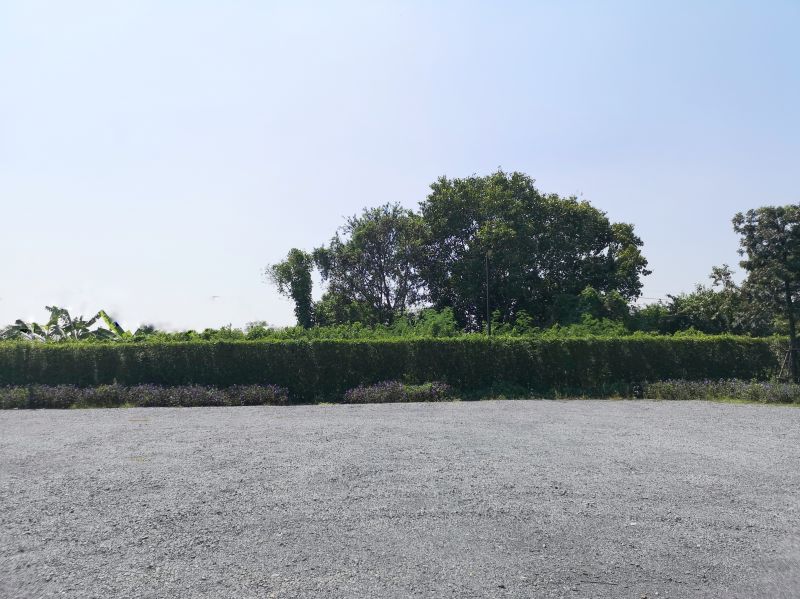
Gravel parking lot grading services involve shaping and leveling the surface to ensure proper drainage, stability, and functionality for parking areas. This process typically includes removing excess material, smoothing uneven spots, and creating a slight slope to direct water away from the lot. Projects can range from small residential driveways to larger commercial parking areas, helping property owners maintain a safe and durable surface that minimizes erosion and pooling issues.
Before requesting gravel parking lot grading, property owners often want to understand the current condition of the lot, including existing drainage patterns and the extent of unevenness or erosion. It’s also helpful to consider the intended use of the space, the volume of traffic it will support, and any future plans for expansion or paving. Clear communication about these details can ensure the grading work effectively meets the property’s needs and enhances the lot’s longevity.
Many property owners in Houston, TX look into Gravel Parking Lot Grading for repairs, replacements, upgrades, and appearance-related improvements.
Common Gravel Parking Lot Grading Jobs
Gravel Parking Lot Grading - ensures proper drainage and a level surface for parking areas.
Driveway Grading - prepares gravel driveways for better stability and reduced erosion.
Construction Site Grading - prepares land for new gravel lots or expansions with accurate slope control.
Drainage Improvement - corrects existing grading issues to prevent water pooling and damage.
Landscape Grading - shapes the land around gravel areas for improved water flow and property protection.
Erosion Control Grading - stabilizes slopes to reduce gravel displacement and maintain surface integrity.
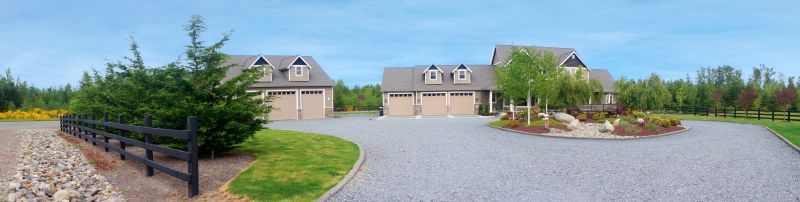
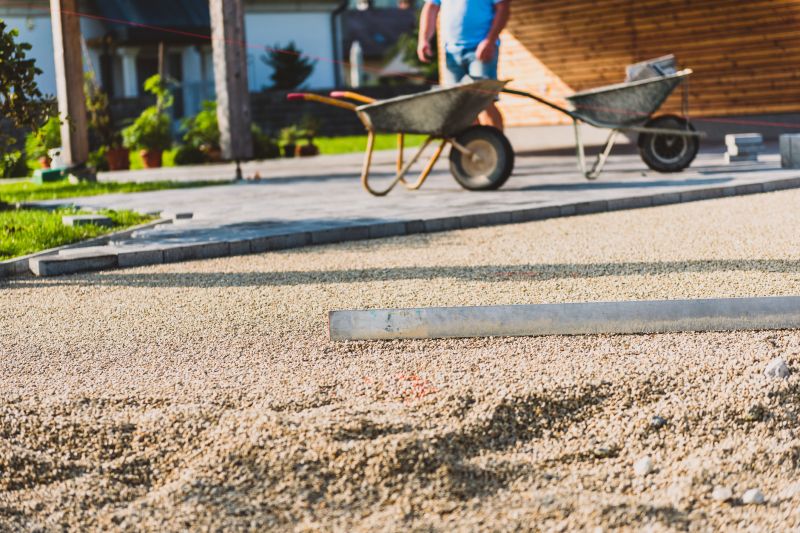
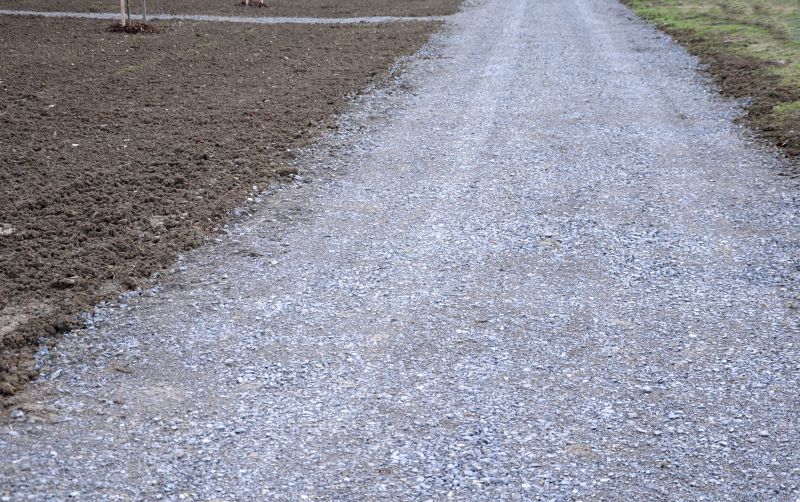
Gravel Parking Lot Grading Questions
What is gravel parking lot grading? It involves leveling and shaping the gravel surface to ensure proper drainage and stability for parking areas.
Why is grading important for gravel lots? Proper grading helps prevent water pooling, reduces erosion, and extends the lifespan of the parking surface.
What types of projects benefit from gravel parking lot grading? Driveways, commercial parking areas, and residential lots often require grading to improve safety and drainage.
How often should gravel parking lots be graded? Regular grading is recommended to maintain surface integrity and address any settling or erosion over time.
Request Gravel Parking Lot Grading in Houston, TX
Use the quote form on this page to share the basics of your project and request more information for the type of work you need.